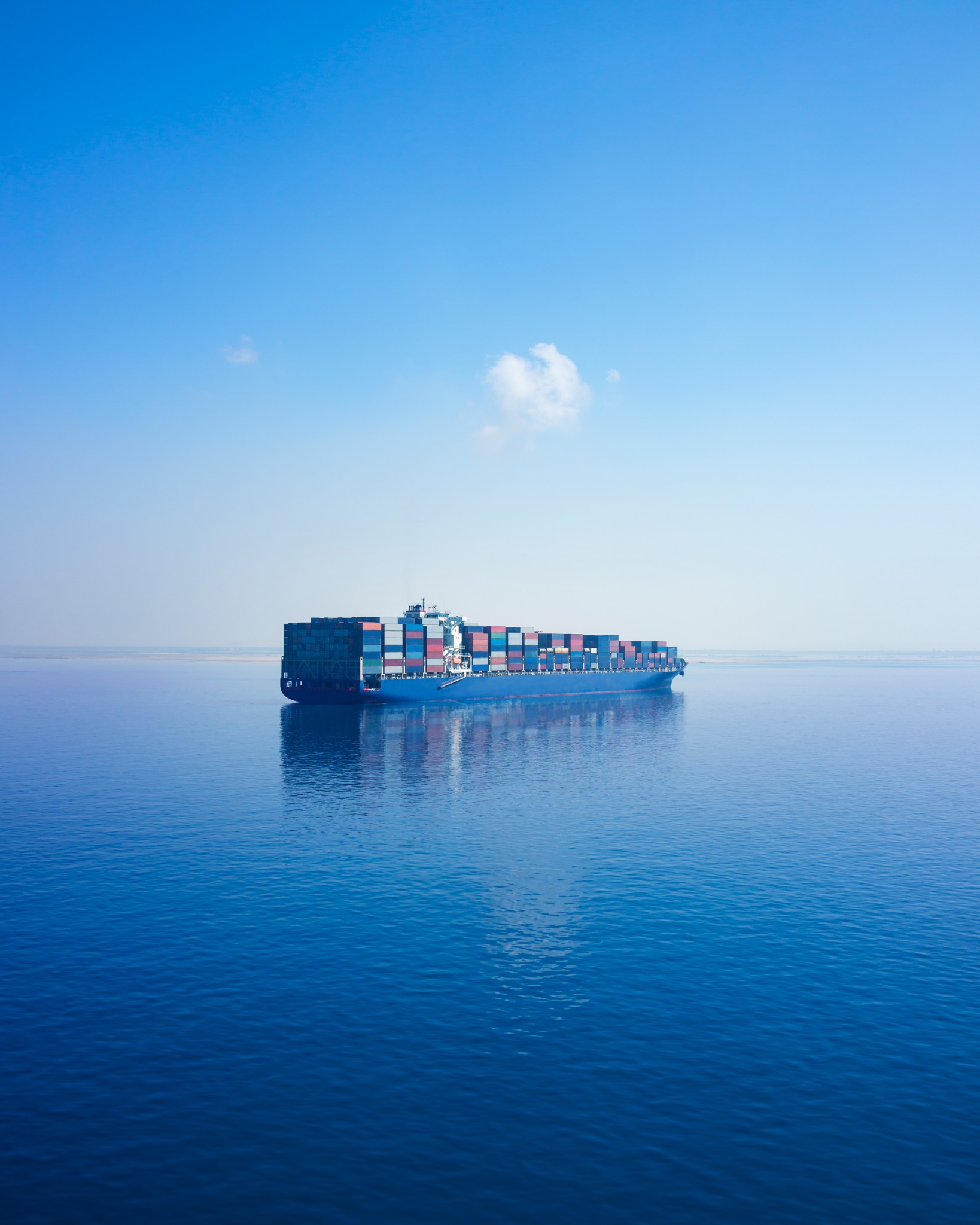
A real container ship crossing a calm blue sea beneath an open sky.

AI agents for maritime compliance.

Track vessel requirements, inspect supporting records and resolve outstanding actions in one workspace.

Explore Matsu
The workspace

Compliance, vessel by vessel.

For ship managers and compliance teams: keep requirements, source records and outstanding work in one vessel view.

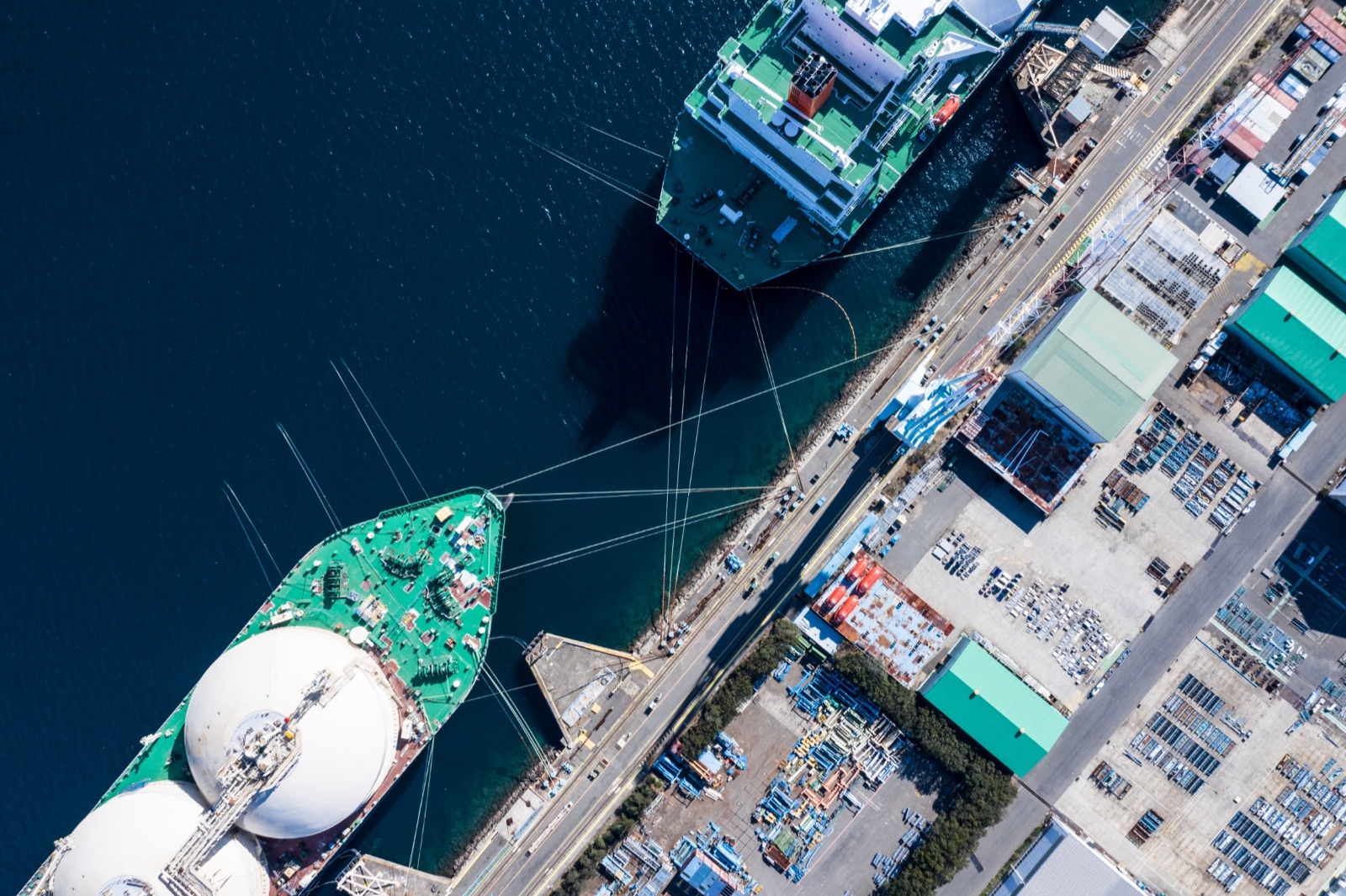
Aerial view of two vessels moored alongside an industrial berth.
MATSUMaritime complianceProduct preview

Fleet overview

Vessel positions and outstanding requirements

Vessels6
Tracked checks complete62%
Non-compliant4
Pending review7

Vessel positions

Sample positions · 30 Oct 2026OpenStreetMap

Your fleet

6 vessels

Select a vessel on the map to inspect its compliance record.

Vessel compliance

See requirement status, source records and the action needed from your team.

Vessel workspace

From evidence to action.

Trace each requirement to its supporting records, open actions and responsible reviewer.

Matsu MeridianMARPOL Annex VI
Demo record
Assessment

The bunker delivery note supporting the recorded fuel batch is missing.

Missing evidence

Why this applies

Air pollution records and fuel documentation.

Confirm the applicable chapters, vessel particulars and flag-state implementation with the responsible reviewer.

Official source
Flag
Liberia
Vessel type
Container ship
Gross tonnage
92,000 GT
Recorded route
Antwerp → Rotterdam
Connections

Vessel data and supporting records

Add position feeds, onboard readings and documents to the same workspace.

MATSUConnectionsDemo preview

Connection type

Position data

AIS position feed

Import vessel identity and reported positions from your company’s AIS provider.

  • MMSI and IMO number
  • Latitude, longitude and recorded time
  • Provider and source identifier

Connect the company AIS provider, verify the vessel match and retain the timestamp of each position report.

Why Matsu

One requirement. A clear path to review.

Matsu brings the requirement, source evidence, assigned action and human decision into one vessel record.

Expand for product details and official sources.
Details

Independent industry cases

Why reliable evidence matters

MSC Michigan VII

An unreported hazard became a port emergency

$6mcriminal fine imposed on the operator

A known engine-control hazard went unreported before the vessel lost speed control in Charleston. The operator was fined for failing to report the hazard and obstructing the investigation.

Incident: June 2024 · Sentencing: August 2026

Process lesson

A known equipment hazard was not escalated into the required reporting process.

Collect defect and maintenance records, cross-check the hazard, and route the evidence to the responsible person for reporting and follow-up.

Marsgracht

A repeated deficiency led to a port ban

180days barred from Australian ports

Two detentions for improper dangerous-goods stowage in 2024 exposed repeated failures. AMSA identified systemic safety-management problems and barred the vessel for 180 days.

Detentions: February / November 2024 · Announcement: November 2024

Process lesson

The same operational deficiency recurred after an earlier detention; effective corrective action had not been demonstrated.

Link each finding to an owner, corrective-action evidence and a review decision; check recurring issues before treating a case as closed.

Viking Sky

Unreliable measurements obscured operating risks

1,374people aboard during a near-grounding

The ship narrowly avoided grounding after losing propulsion and steering. Norway’s investigation identified unreliable oil-level measurements and an incorrect conversion model among multiple safety issues.

Incident: March 2019 · Report: March 2024

Process lesson

Measurements, sensor configuration and conversion logic did not provide a dependable account of the vessel’s condition.

Retain measurement provenance and configuration versions, flag inconsistent records, and route discrepancies for technical verification and human review.

Further reading